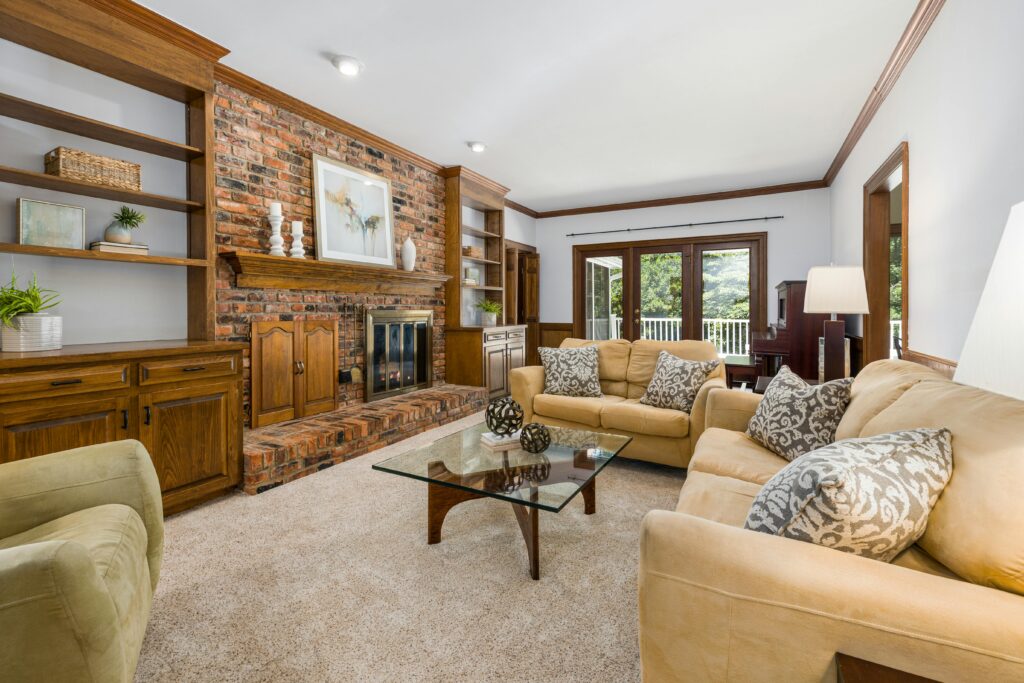
Walk into any well-designed home and you’ll feel it before you can name it — that sense of cohesion, of rooms that tell a story. Much of that feeling comes from furniture. The pieces we choose to fill our spaces do more than provide somewhere to sit or sleep; they express personality, reflect cultural moments, and connect us to something larger than a showroom floor. From the rough-hewn charm of reclaimed barnwood to the clean geometry of mid-century modern, furniture styles have never been more varied — or more exciting — than they are today.
Whether you’re buying used furniture to furnish your first apartment or give a tired bedroom a long-overdue refresh, understanding the major furniture styles will help you make choices you’ll love for years to come.
Few trends have proven as enduring as the rustic farmhouse aesthetic. Rooted in the practical, unpretentious furniture of rural American life, this style celebrates raw materials, imperfect textures, and a lived-in warmth that no amount of sleek manufacturing can replicate.
Barnwood furniture — made from reclaimed timber salvaged from local ranches — sits at the heart of this movement. Each plank carries its own history: nail holes, weathered grain, faded paint. That patina isn’t a flaw to sand away; it’s the whole point. A barnwood dining table doesn’t just hold your dinner — it holds a story.
Beyond reclaimed wood, the farmhouse style leans on shiplap details, wrought iron hardware, open shelving, and neutral palettes of cream, warm gray, and earthy brown. In the bedroom, this translates to chunky wooden bed frames and distressed nightstands that would look great paired with linen bedding that looks effortlessly undone. It’s a style built for comfort over ceremony.
If farmhouse is all warmth and texture, mid-century modern is its cool, confident counterpart. Originating in the post-World War II era of the 1940s through 1960s, this style was born from a belief that good design should be available to everyone — functional, beautiful, and free of unnecessary ornamentation.
The hallmarks are instantly recognizable: tapered legs, organic curves, low-profile silhouettes, and a seamless blend of natural and manufactured materials. Think walnut wood paired with molded fiberglass, or a teak sideboard alongside a wool accent chair. Colors tend toward mustard yellow, burnt orange, avocado green, and warm teak tones — a palette that somehow feels both retro and remarkably current.
In the bedroom, mid-century modern expresses itself through platform beds with minimal headboards, floating nightstands, and clean-lined dressers with simple round pulls. The style rewards restraint. Every piece earns its place.
Exposed brick, pipe shelving, concrete floors — the industrial aesthetic takes its cues from converted lofts and urban warehouses, celebrating the raw beauty of structural elements that were never meant to be decorative.
Industrial furniture tends toward dark metals, distressed leather, and heavy woods. Think factory-inspired bookshelves with iron frames, coffee tables built from repurposed machinery, and bed frames that look like they belong in a Victorian workshop. The style is bold without being precious, and it pairs surprisingly well with softer textiles — a plush rug or velvet throw can balance out all that steel and timber beautifully.
While industrial design has its roots in commercial spaces, it’s found a comfortable home in modern apartments and loft-style homes. It’s especially popular in home offices and living rooms, though industrial bedroom furniture — particularly metal-framed beds — has developed a devoted following.
Not everyone wants restraint. For those drawn to color, pattern, and personality, the eclectic or maximalist approach is a joyful rebellion against the tyranny of minimalism. Here, furniture styles are mixed freely — a Victorian velvet chaise beside a Moroccan side table, or a mid-century credenza topped with ceramic pieces from a local artist.
The key to successful eclecticism isn’t randomness — it’s curation. A maximalist room should feel collected, not chaotic. Color, texture, and scale all need to work in conversation with each other, even if they’re not speaking the same design language.
The best furniture style isn’t the most fashionable one — it’s the one that fits how you actually live. Do you crave warmth and history? Lean into farmhouse and barnwood. Do you want a space that feels calm and uncluttered? Explore Scandinavian minimalism. Are you drawn to the drama of exposed materials and dark tones? Industrial might be your answer.
Most great interiors blend elements from multiple styles, finding harmony through a consistent color palette or material thread that ties everything together. Trust your instincts, invest in quality where you can, and don’t be afraid to let your space evolve over time.
Furniture isn’t just décor — it’s how we make a house feel like home. Visit our furniture store to explore a wide array of used options and find your style!
Barnwood furniture is made from timber reclaimed from old structures like barns, factories, and warehouses. Because it repurposes existing wood rather than harvesting new timber, it’s considered one of the more sustainable furniture choices available. It also tends to be incredibly durable, since the wood has already been seasoned for decades.
Absolutely. Mixing styles — often called an eclectic approach — can result in a room with far more character than one that sticks rigidly to a single aesthetic. The trick is to find a unifying element, whether that’s a consistent color palette, a repeating material (like brass hardware throughout), or a shared sense of scale.
Antiques tend to work well in smaller spaces. Their smaller footprints and emphasis on clean lines help a room feel more open and airy. Avoid heavy, bulky pieces and opt for furniture with legs rather than pieces that sit directly on the floor, as this creates a sense of visual breathing room.
Look at the joinery — how pieces are connected. Dovetail joints and mortise-and-tenon construction are signs of quality craftsmanship. Solid wood is generally more durable than particleboard or MDF. Drawers should slide smoothly, cushions should spring back, and finishes should feel even and consistent.
While trends always shift, the farmhouse aesthetic has shown real staying power because it’s rooted in comfort and natural materials rather than novelty. It may evolve — leaning more “modern farmhouse” with cleaner lines — but the core appeal of warm wood, tactile textures, and unpretentious design isn’t going anywhere.
Both styles embrace raw, unfinished materials, but they come from different worlds. Rustic furniture draws from rural, natural settings — aged wood, stone, and organic forms. Industrial style is urban in origin, favoring metal, concrete, and references to factory or warehouse aesthetics. They can be blended effectively, but industrial tends to feel edgier and darker while rustic feels warmer and more organic.