
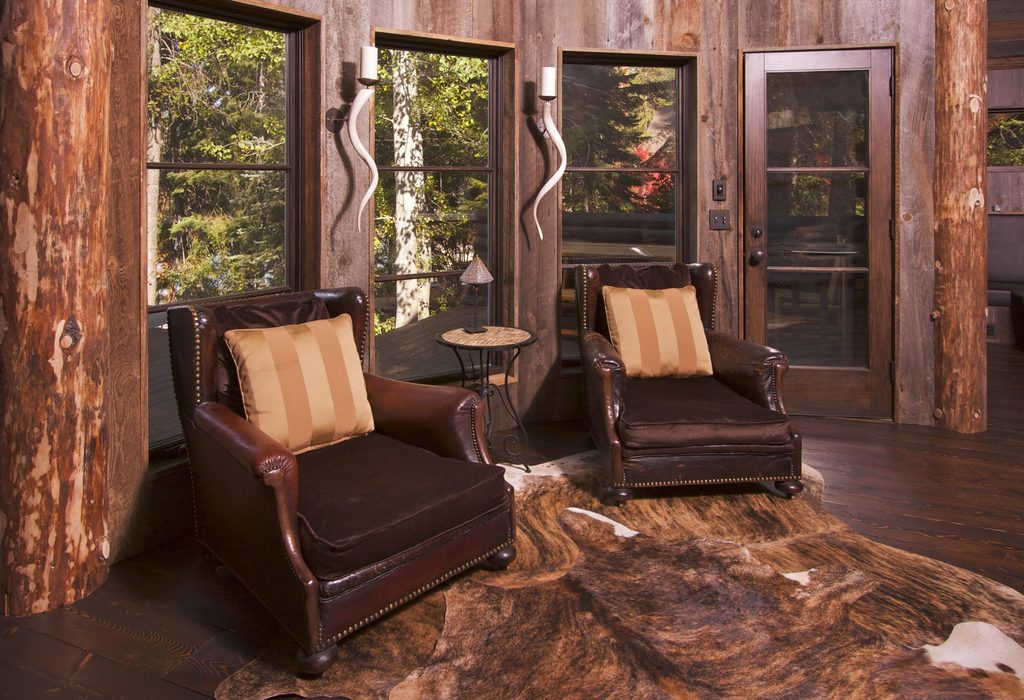
Rustic furniture has a way of sneaking into homes it wasn’t originally designed for. Maybe it was a reclaimed wood table that caught your eye or a chunky wooden bench that just felt right. Whatever the entry point, once one rustic piece makes it into your space, the real question becomes: how do you tailor your furniture to your evolving taste in style?
The answer isn’t about matching everything. It’s about understanding what makes rustic furniture work in the first place, and then using that knowledge to build a room that actually reflects how you live.
Why Rustic Pieces Are Easy to Fall For
Rustic furniture tends to have a sense of history baked into the material itself. Visible joinery or a little unevenness in the finish gives a piece personality that mass-produced furniture often lacks. There’s also a practical appeal. Rustic furniture is usually solid, which means it holds up to daily life in a way that flimsier pieces don’t.
But the same qualities that make rustic furniture appealing can also make it tricky to incorporate. A single heavy wood piece can dominate a room if it’s not balanced with anything else. That’s where a lot of people get stuck, as they’re not sure how to build a room around it without everything feeling heavy or themed.
Start With the Piece You Already Love
Instead of trying to design a whole rustic room from scratch, work backward from the piece that started it all. Look at what drew you to it in the first place. Was it the color of the wood? The rough-hewn edges? The way it felt sturdy and grounded compared to everything else in your house? Once you identify what you’re actually responding to, you can carry that quality into the rest of the room without needing every piece to match in style.
A room doesn’t need five rustic pieces to feel cohesive; it needs a thread that ties things together, whether that’s warm wood tones, natural materials, or a certain weight and solidity in the furniture you choose.
Mixing Textures Instead of Matching Styles
One of the easiest ways to blend rustic furniture into a space that doesn’t feel like a theme park is to pair rough textures with smooth ones. A rustic wood coffee table next to a smooth linen sofa creates contrast that feels intentional rather than accidental. A heavy wood dresser against a wall with simple, unfussy decor lets the furniture be the statement without competing for attention.
This is really a conversation about balance. Rustic pieces bring warmth and texture, so the furniture and decor around them can lean simpler and quieter. You don’t need every element in the room to have the same rough-hewn quality. In fact, too much of that texture in one space can start to feel busy instead of cozy.
Metal accents work well here, too. A wood table with iron legs, or a wood shelf with black metal brackets, softens the “cabin” feeling and pulls the piece into a more current, livable look. The goal is to let the rustic piece feel like it belongs in your home, not like your home was built around it.
Letting Color Do the Connecting Work
If you’re blending rustic furniture with pieces from other styles, color is often the easiest way to tie things together. Wood tones vary a lot, and some rustic furniture leans warm and reddish, while other pieces have a grayer, more weathered look. Pay attention to the undertone of the wood in your rustic piece and try to echo that somewhere else in the room, even if it’s just in a picture frame or a woven basket.
Neutral color palettes tend to be especially forgiving when you’re mixing styles. A neutral wall color or a simple neutral rug gives rustic wood furniture room to stand out without clashing against something more colorful or patterned nearby. Once you have that neutral base, you can layer in other styles more freely because the wood tone is already doing the work of tying the room together.
Don’t Be Afraid to Contrast
There’s a temptation, once you commit to rustic furniture, to keep buying more rustic furniture until the whole room matches. But some of the most interesting rooms come from contrast. Picture a rustic dining table paired with sleek, modern chairs, or a rough wood headboard next to smooth, minimalist nightstands. This kind of contrast keeps a room from feeling like it’s stuck in one era or one aesthetic.
It also gives you more freedom going forward. If your style shifts over time, or you pick up a piece that doesn’t quite fit the rustic mold, you already have a room that’s built around mixing things thoughtfully rather than following a strict theme.
The furniture that ends up feeling most like “you” is rarely furniture that all comes from the same catalog. It’s furniture that’s been chosen one piece at a time, based on what actually feels right in your space, which is exactly how most people end up with rustic pieces in the first place.
Building a Room That Grows With You
Blending rustic furniture into your home isn’t a one-time decision. It’s something that develops as you find more pieces and figure out what you actually want to live with day to day. Give yourself permission to add slowly. A room built over time, piece by piece, almost always feels more personal than one that was furnished all at once.
If you’re in the process of building out a room around a rustic piece you already own, take your time finding the next addition. Visit a few local sellers and spend some time looking through secondhand listings. Don’t feel pressured to complete the room right away. The pieces that end up meaning the most are usually the ones you took your time choosing, whether that’s a sturdy wood side table, a set of cozy furniture for the living room, or something small like a shelf that finally pulls the space together.
Stop by our local used furniture store when you’re ready to keep building. Sometimes the next piece that fits your space is sitting on a showroom floor, just waiting to be noticed.
FAQ
Does rustic furniture only work in farmhouse-style homes?
No. Rustic pieces can work in a wide range of home styles when they’re balanced with contrasting textures and simpler decor nearby. You can use rustic furniture to decorate traditional or modern homes, or any type of aesthetic you prefer.
How do I keep a room from looking too “cabin-like”?
Limit the number of heavily textured wood pieces in one room and balance them out with smoother materials or simpler furniture nearby.
What if my rustic piece doesn’t match my existing furniture?
If you are worried about matching with existing pieces, try to focus on connecting through color or wood tone, rather than matching styles exactly. A shared neutral palette usually bridges the gap between disrepent styles.
Can I mix rustic furniture with modern pieces?
Yes, and it often works especially well. The contrast between rough, natural texture and clean, modern lines tends to make both pieces stand out in a good way.